Smart Locker System for Events
Methodical development of a modular smart locker system from prototype to series-ready solution for the event sector.
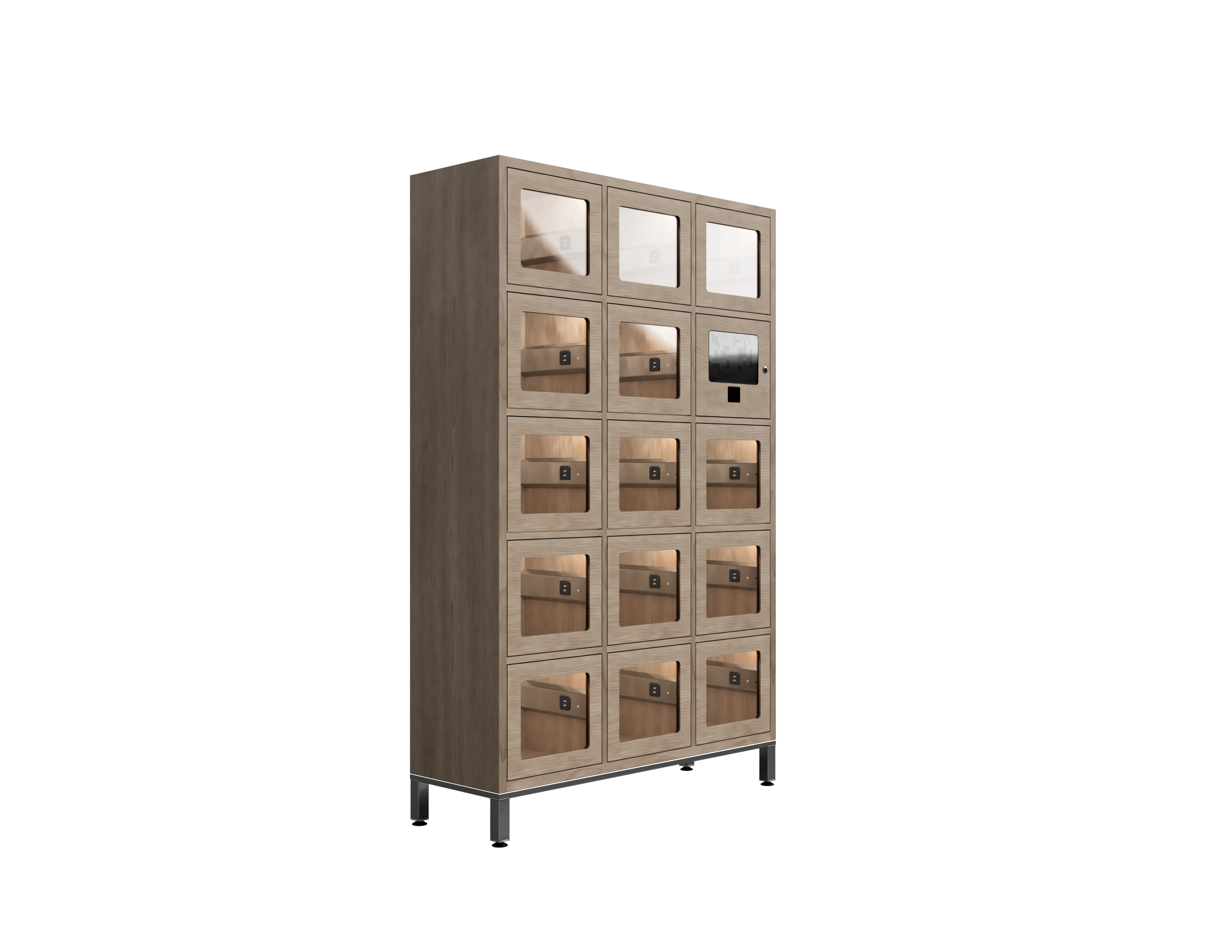
Methodical further development of a smart locker system from demonstrator to a production-ready product for the event sector. The starting point was a retail prototype I had previously realized, whose insights were transferred into a systematic redesign following the principles of methodical engineering design. Topic of my bachelor thesis: “Development of a Smart Locker for Events – from Prototype to Series Production”.
Challenge: Developing a modular, production-ready system from a functional demonstrator that meets the real requirements of the event sector – rather than just fixing individual weaknesses
Solution: Systematic redesign following methodical engineering design principles: requirements analysis, function structure, concept evaluation, detailed design with focus on Design for Manufacturing and Design for Assembly
Result: Near-series smart locker concept with modular structure, integrated electronics, and consistent event focus – a solid foundation for industrial implementation
Project Info
- Services: Analysis, requirements definition, concept development, design, electronics integration, systems engineering, series concept
- Domain: Product development · Systems development · Methodical engineering design
- Industry: Event · Event technology
- Project type: Bachelor thesis · Development project
- Predecessor project: Interactive Smart Locker for Retail
Background
The starting point was an existing smart locker prototype that I had previously realized for a retail marketing campaign (see predecessor project). This prototype fulfilled its original function in store operation successfully – but was deliberately designed as a one-off with a short service life and was not conceived for permanent use, frequent assembly and disassembly, or scaling to multiple locations.
The experience of this first deployment yielded concrete findings about the structural design, electronics architecture, maintainability, and suitability for different deployment scenarios. Rather than optimizing these points individually, the system was to be fundamentally redesigned – as a modular, production-ready product for the event sector, where rapid setup, transportability, robustness, and operability are particularly critical.
This development was the subject of my bachelor thesis and was conducted according to the principles of methodical engineering design.
Requirements from the Event Context
The event sector places different demands than stationary retail: the system must be ready for use within short setup times in different venues, remain transportable, survive frequent use cycles without maintenance, and be intuitively operable – even without technical support staff.
This yielded the central development goals:
- Modular and scalable design for different application sizes
- Robust, transportable construction
- Fast on-site setup and commissioning
- Reliable continuous operation without technical supervision
- Intuitive operation via QR code scan and display
- Production-appropriate, reproducible construction
My Role
- Systematic analysis of the retail prototype and identification of optimization potential
- Definition of requirements for the event orientation
- Function structure analysis and concept development of multiple solution variants
- Concept evaluation and selection based on defined criteria
- Detailed design of the overall system in CAD
- Electronics and control integration
- Optimization for manufacturing and assembly
- Writing the bachelor thesis to document the approach
Methodical Approach
The development followed the principles of methodical engineering design according to VDI 2221 / VDI 2222 – a systematic approach that decouples solution-finding from pure intuition and grounds it in traceable decisions.
Requirements analysis: Collection and weighting of all functional, ergonomic, manufacturing-related, and application-related requirements.
Function structure: Decomposition of the system into individual functions – user identification (QR code), control and logic, compartment locking, energy supply, user guidance via display.
Concept development: Development of different solution variants for each function – various structural approaches, housing concepts, compartment arrangements, and electronics variants.
Concept evaluation: Structured evaluation of variants based on effort, robustness, scalability, and suitability for event use.
Design and elaboration: Detailed design of the chosen concept with consistent application of Design for Manufacturing and Design for Assembly.
Mechanical System
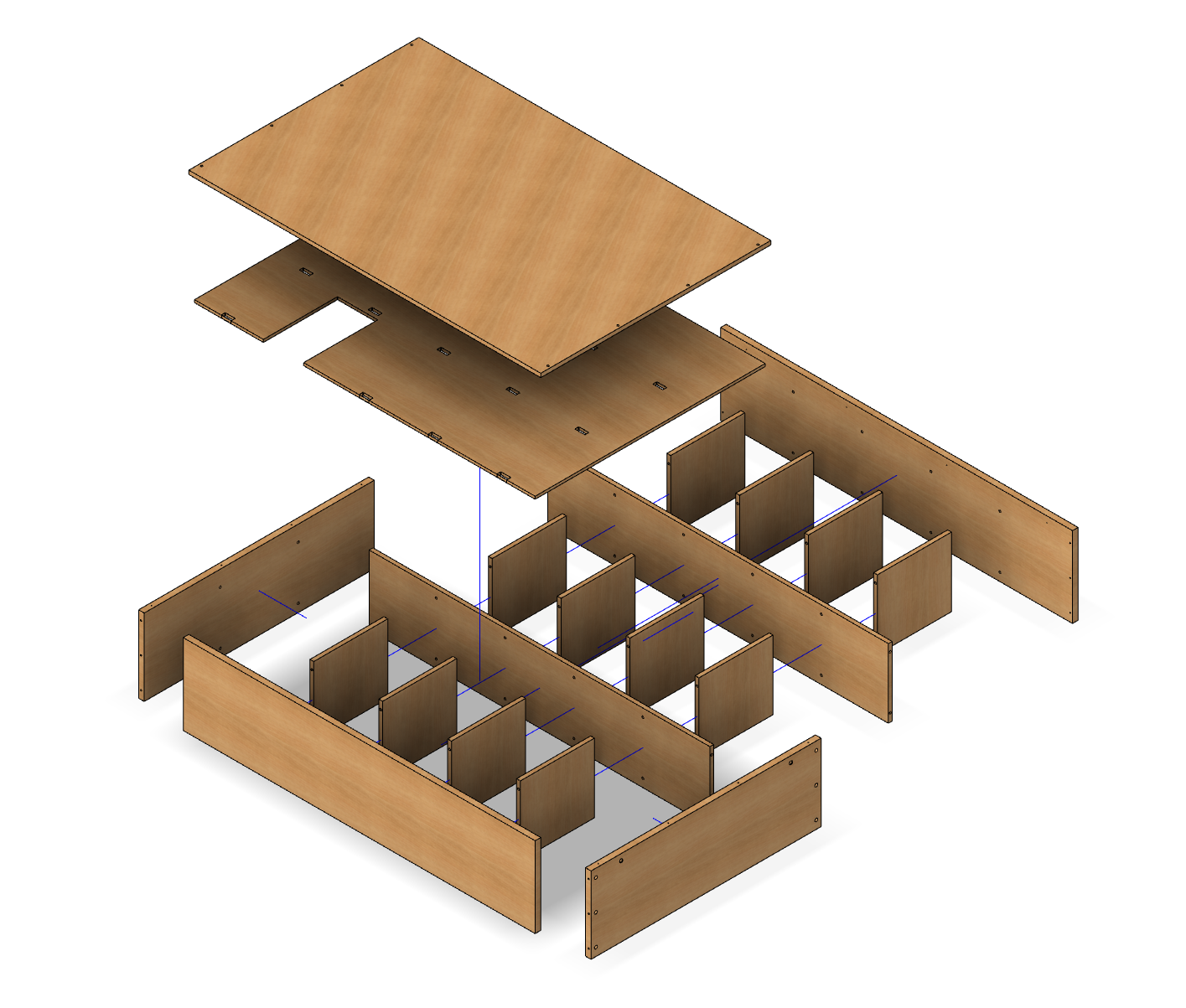
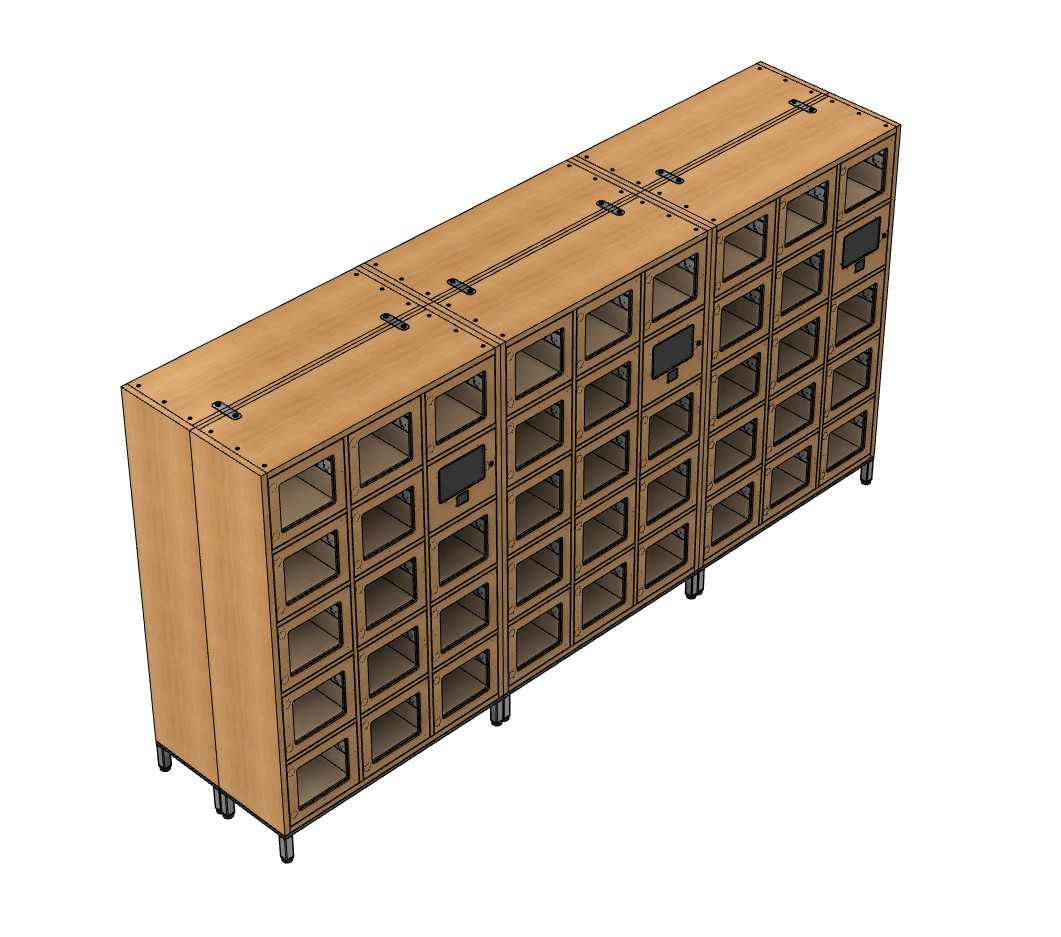
The system is conceived as a modular housing with multiple compartments. The modular structure allows the system to be adapted for different event sizes and use cases – from smaller units for compact events to scaled configurations with multiple cabinets in combination.
Key structural focuses were the separation between user area and technical area, easy accessibility for maintenance, robustness for frequent assembly and disassembly, and consistent design for reproducible manufacturing.
Electronics and Control
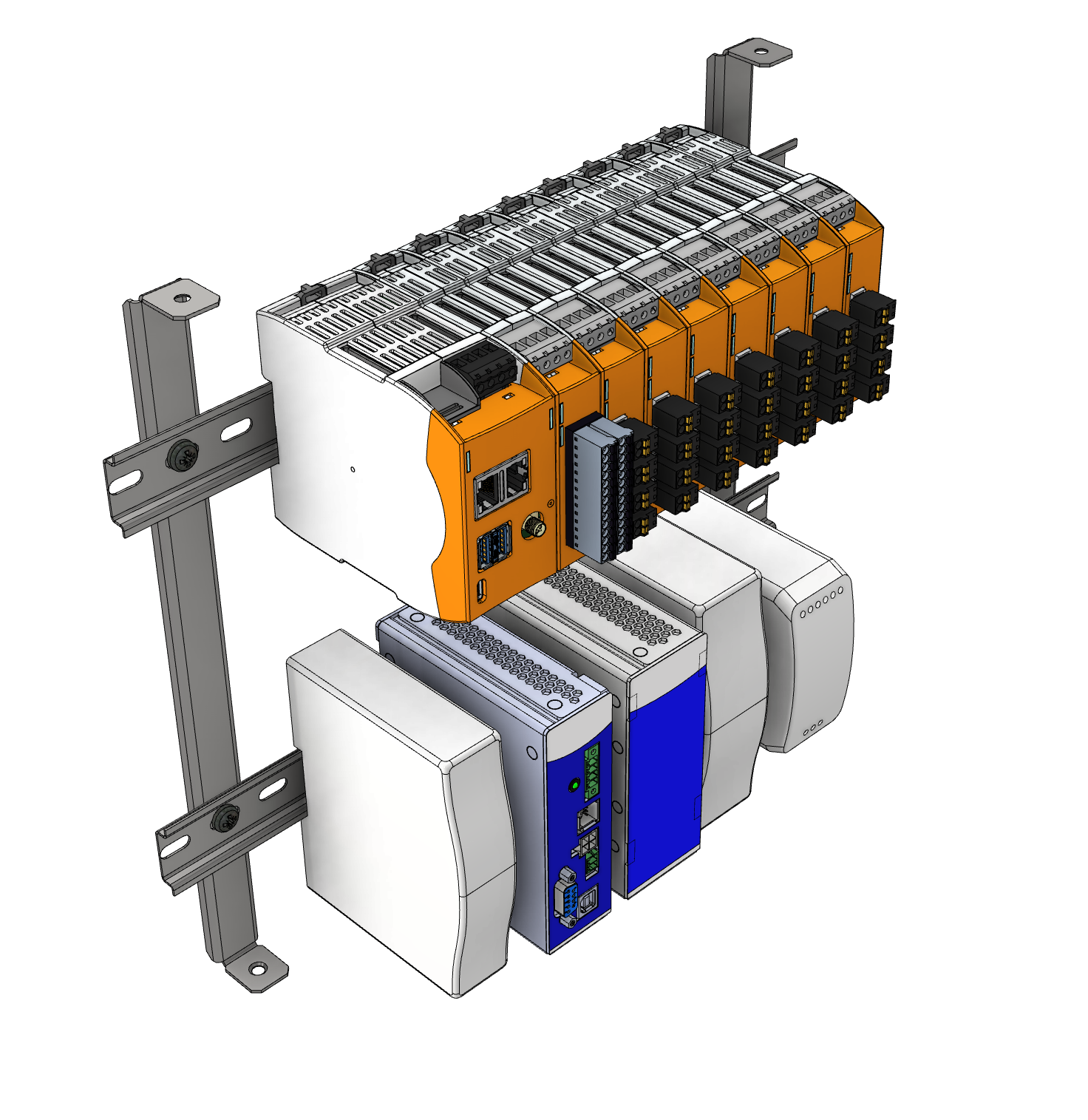
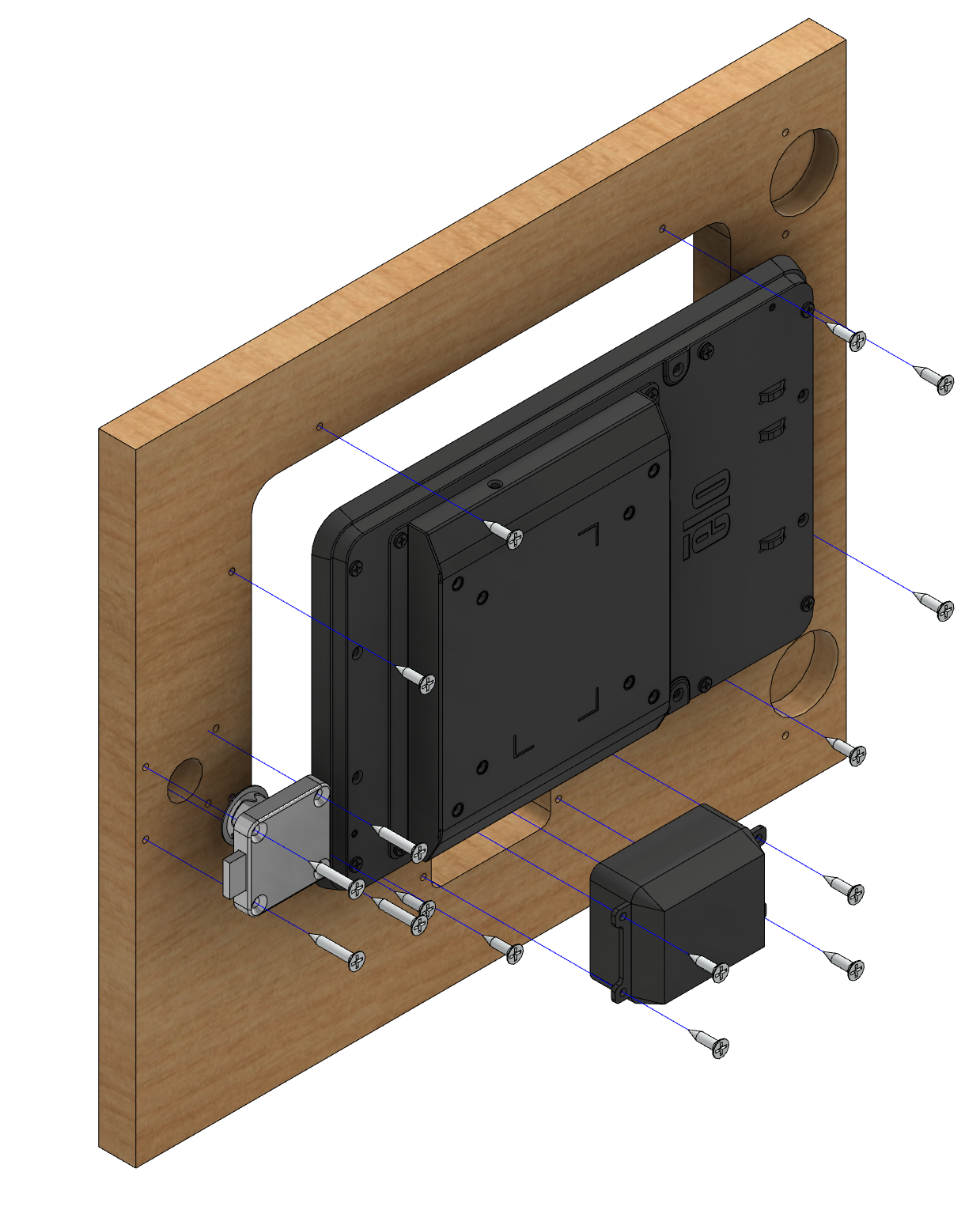
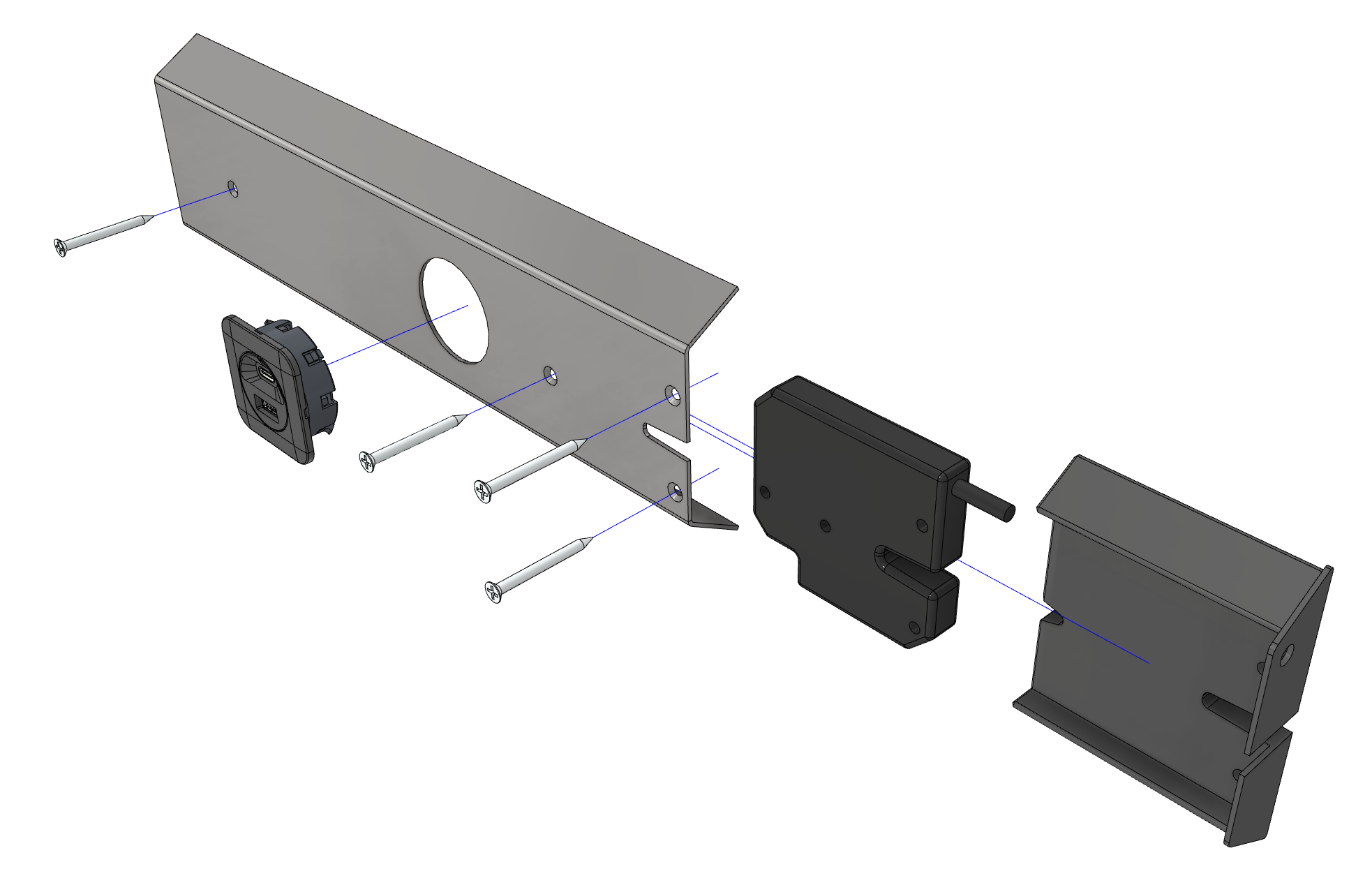
The control is based on a central embedded unit that coordinates all electronic components: QR code scanner for identification, display for user guidance, drivers for controlling the electronic locks, regulated power distribution. The control logic assigns each user to a compartment uniquely and releases it selectively.
In system integration, the priorities were structured cable routing, safe power distribution, protection of sensitive components, easy maintenance and replaceability, and a stable connection between mechanics and electronics.
From Prototype to Series Solution
A central aspect of the work was the transfer of the system into a near-series form. The insights from the retail prototype fed directly into this phase:
- Reduction and standardization of components
- Simplification of assembly processes through clearly defined steps
- Standardization of electronic components and interfaces
- Improved accessibility for maintenance and service
- Preparation of the design for reproducible manufacturing processes
This makes the result fundamentally different from a prototype: it is not only functional, but also economically manufacturable and designed for real continuous use.
Results
- Technically thought-through, modular smart locker system for the event sector
- Consistent concept of mechanics, electronics, and control
- Scalable design for different application sizes
- Manufacturing-appropriate design as a basis for industrial implementation
- Complete documentation of the development in the bachelor thesis – methodically sound and traceable
Applicability to Other Projects
This approach – developing a production-ready solution from a real deployment scenario through methodical processes – can be applied to many areas of product development:
- From prototype to series – when an existing demonstrator or first prototype needs to be transferred into an economically manufacturable product, with all implications for design, electronics, assembly, and service.
- Methodical engineering design for complex systems – projects where multiple disciplines (mechanics, electronics, software, logistics) must be connected and intuitive solution-finding reaches its limits.
- Systems for different deployment scenarios – products that need to work in various sizes, configurations, or industries without each variant requiring its own development.
- Event-grade products with real product quality – solutions that must be as robust in the event sector as stationary industrial products, with the additional requirements of transport, setup, and operation without specialist staff.
- Follow-up projects from real experience – further developments that are not speculative but based on concrete findings from a first deployment.
If you want to take an existing product to series production, develop a modular system, or make a prototype robust enough for real use – let’s talk.
Similar requirements or your own idea?
I support with concept, engineering, and realization.